 Αυθημερόν αποστολή σε όλη τη Θεσσαλονίκη
 Gift Card: Χάρισε την απόλυτη floral εμπειρία


Winter may not be the best season for your plants. When temperatures start to drop, some of them may not cope with the change. To help them survive, you need to prepare them properly and in good time!
This article answers the following questions:
- Why is keeping some plants indoors necessary during winter?
- When should I move my plants indoors?
- How do I prepare my plants for winter?
- Where should I place my plants indoors for the winter?
- What are the most common problems I may face when overwintering my plants?
Why keeping some plants indoors is necessary during winter
Keeping plants indoors during winter is not only important for their health and upkeep, it is essential for their survival.
Even if some plants survive the first cold snap, they will certainly be damaged, and their health cannot be restored simply by moving them indoors. In fact, the initial shock of the cold, combined with the move to a different environment, can leave the plant severely weakened.
Some popular plants that you can easily keep indoors over winter, either by repotting them or simply moving them, are:
- Hibiscus
- Cacti
- Succulents
- Rosemary
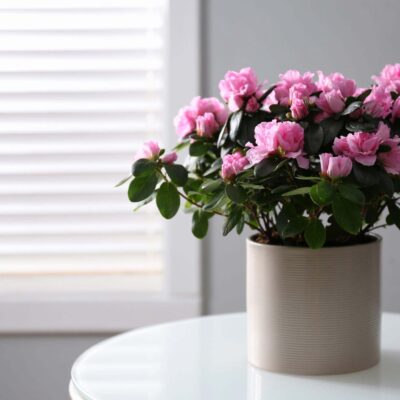
- Azaleas
- Jasmine
- Ferns

When to move your plants indoorsSo when should you move your plants indoors? As a rule, you should bring them in before the first frost, otherwise the severe cold will destroy most of them. Ideally, try to have your plants inside by mid-to-late autumn, or as soon as the temperature starts to fall below 10°C.
How to overwinter plants indoors
When you want to move your plants from your balcony or garden into your home, it is a good idea to take three steps to protect their health:
- Pruning: Your plants grow quite a lot during spring and summer, but not during winter. By pruning them well and removing dry branches, you help strengthen their roots and so build up their defences for the winter.
- Light: Until now your plants have been bathed in natural light, and although they don’t need as much of it in winter, you should still place them in a bright spot, preferably next to a window.
- Feeding: Don’t forget that fertilizing is essential both for your plants’ growth and for their upkeep. Use fertilizer, preferably in liquid form so it is absorbed quickly, and water less often. However, avoid fertilizing during the coldest months, as your plants don’t need it as much then.

If your plants are too large and heavy to move indoors, follow the first two steps and get special plant protection covers for low temperatures.
If you are going to take plants out of your garden, you will need to either take cuttings or dig up whole plants and move them into pots (which you can then bring indoors). In more detail:
- Dig up the whole plant and move it into a container or pot. How? Dig deep into the soil around each plant with a hand trowel, leaving about 1 metre between the plant and where you dig, otherwise you may accidentally cut through its vital root system. Lift the plant out of the soil using only the trowel, without pulling on the stem or the leaves. Once the plant is free, remove some of the excess soil, gently loosen the roots and, if you like, trim the root tips by about 5–6 cm, as this can help rejuvenate the plant. Finally, move the plant into its new pot filled with soil and keep it in your home until the end of winter.
- Take cuttings. Many plants, such as succulents, African violets and azaleas, can be propagated from cuttings. Some people find this easier than digging up whole plants. How does it work? Plant cuttings can be kept indoors in water or soil. This way, at least part of your plant will survive the winter and keep growing.
Where to place your plants indoors for the winter
Below are some of the main places where you can overwinter your plants indoors. The right spot depends on the type of plant and the space you have available, whether that is a window or even a greenhouse!
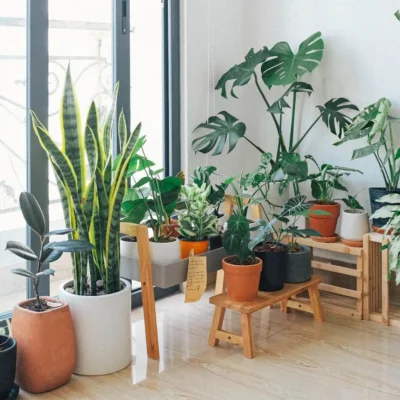
Overwinter your plants indoors in front of a sunny window. The best place for almost any indoor plant is in front of a bright, sunny window. South- and west-facing windows are the best options, as they get the most sunlight throughout the day (the exception is shade-loving plants, which may prefer north- or east-facing windows).
Watch out for harmful draughts and temperature changes!

Common problems when keeping plants indoors over winter
- Bringing plants in too late: You may intend to bring your plants in before the frost, but when it arrives unexpectedly, many plants may not survive. Avoid this mistake by bringing your plants indoors by mid-to-late autumn, or as soon as the temperature starts to fall below 10°C.
- Too much water: Once indoors, some plants will go at least partly dormant, which means they will need less water. If you keep watering them generously, their roots tend to rot. To check whether a plant needs water, push your finger about 7–10 cm into the soil. If the soil is still moist, wait another day before watering. Ideally, water your plants only once their soil has been completely dry for a day or two.
- Not enough sunlight or humidity: Sometimes the indoor climate doesn’t provide enough sunlight and humidity. Your plants may need some extra care to stay healthy and keep growing. Most of your plants should sit in front of south- or west-facing windows. To raise humidity, mist their leaves with water at regular intervals. There are also plants you can keep in the bathroom, where humidity is considerably higher than in the rest of the house.
- Fertilizing in winter: This is a fairly common mistake, but an easy one to avoid. Fertilizing your plants in winter can do more harm than good, since they don’t grow during this season.
In our shop you’ll find a wide variety of indoor plants, as well as plant protection materials and fertilizers to keep your plants healthy through the winter. Don’t hesitate to contact us for anything you need! You’ll find us in Kato Toumba, at 1 Anaximenous Street.